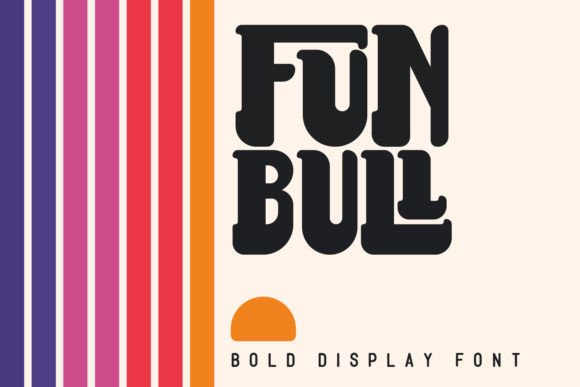
Fun Bull: A Display Font for Bold Visual Statements
Where Fun Bull Shines in Real Projects
When evaluating a font for real-world use, it’s essential to consider how it performs across different design scenarios. Fun Bull excels in situations where a designer needs to make an impression quickly.
- Logo Design: Fun Bull can be a great choice for logos that need to feel lively and memorable. Its unique shapes help create a strong brand mark that sticks in the viewer’s mind.
- Packaging Design: For product labels or premium packaging, Fun Bull adds a touch of playfulness that can attract attention on store shelves or online listings.
- Social Media Graphics: Whether it's for Instagram posts, Facebook banners, or Twitter headers, Fun Bull brings a sense of fun that resonates well with younger audiences.
- Website Headers: When used sparingly, this font can elevate website headers, especially for creative brands looking to stand out from the crowd.
- Merchandise and Printables: T-shirts, stickers, and printable designs benefit from Fun Bull’s expressive style, making them visually engaging and eye-catching.
When to Use Fun Bull with Caution
It works best when used as a headline font or for short phrases. In longer paragraphs or body text, its stylized nature can reduce readability and distract from the message. That said, when applied carefully, it can add visual interest to supporting text or decorative accents.
For brand identity, it’s important to ensure that Fun Bull aligns with the overall tone of your brand. If you're targeting a professional audience, this font might not be the best choice unless paired with a more traditional typeface for contrast and balance.
Design Considerations and Practical Notes
- Test in Black and White: This helps assess contrast and legibility, especially if the font will be used in low-color environments.
- Check Small-Size Readability: Even though Fun Bull looks great at larger sizes, it’s crucial to see how it holds up when scaled down.
- Try on Real Mockups: Seeing how it looks on actual products or websites gives a better sense of its performance in context.
- Compare Uppercase and Lowercase: Understanding the differences in weight and proportion helps in creating balanced typography.
- Review Spacing: Letter spacing can dramatically affect the look and feel of a font, so it’s worth adjusting for optimal results.
- Test Beside Other Fonts: Pairing Fun Bull with a serif, sans serif, script, or handwritten font can create interesting font pairing opportunities, especially in editorial or web design.
- Confirm Commercial Licensing: Before using Fun Bull in client or business projects, ensure you have the proper commercial license to avoid legal issues later.
Impact on Readability, Brand Consistency, and Engagement
Fun Bull affects readability depending on how it’s used. While it’s not ideal for long blocks of text, it shines in headlines and short bursts of content. Its distinct style helps reinforce brand recognition, especially when used consistently across all design assets.
In terms of audience trust, Fun Bull can be a double-edged sword. For brands aiming to feel playful or youthful, it can be a powerful tool. However, for more serious or formal contexts, it might come off as unprofessional if not used thoughtfully.
Its impact on visual mood is significant—Fun Bull can inject a sense of fun and creativity into any project. This makes it particularly useful for digital products, social media graphics, or creative font-based branding.
Final Thoughts: Is Fun Bull Worth Using?
Fun Bull is a premium font that offers a lot of visual flair and versatility. It’s not for every project, but when used correctly, it can become a standout element in your brand identity. Whether you're designing packaging, web headers, or printable design elements, Fun Bull can bring a unique and memorable touch to your work.
As with any display font, it's important to use it wisely. Pair it with more readable fonts when necessary, and always keep typography hierarchy in mind. With the right approach, Fun Bull can be a valuable addition to your design toolkit.